
5 Restaurant Loyalty Ideas That Build Repeat Business
A restaurant loyalty programme should do more than distribute discounts. Its job is to give customers a clear reason to identify themselves, order direct and return—while helping operators understand which rewards genuinely influence behaviour.
START READINGKey takeaways.
A restaurant loyalty programme should do more than distribute discounts. Its job is to give customers a clear reason to identify themselves, order direct and return—while giving the operator a better understanding of which rewards genuinely influence behaviour.
That makes programme design more important than the points label or app screen. A reward can look generous but still fail if it is confusing, difficult to redeem, unavailable through a customer’s preferred channel or disconnected from the restaurant’s day-to-day operation.
The strongest schemes make progress easy to understand, recognise the same customer across ordering channels and protect enough margin to remain sustainable. Here are five practical models to consider.


1. Use a simple stamp or points mechanic
Simple progress remains powerful. A customer buys a qualifying item or spends a qualifying amount, sees their balance increase and knows what the next reward will be.
A stamp mechanic suits businesses built around a frequent, repeatable purchase. Costa Club, for example, currently explains its core proposition as collecting Beans on eligible drinks and receiving a free drink after ten. Its programme also adds a welcome Bean, a birthday benefit, personalised offers and an extra Bean for using a reusable cup. The lesson is not to copy the numbers; it is to make the route to the reward visible and easy to remember.
A points model offers more flexibility when basket values and product categories vary. Operators can decide whether points are earned against spend, selected products or eligible order types. Rewards can then be offered at different thresholds.
Before launch, define:
- What activity earns progress
- Which products, fees or discounts are excluded
- How long points or stamps remain valid
- What happens after a refund or cancelled order
- Where customers can see their balance
- How staff resolve a missing or disputed transaction
Keep the customer explanation short. Complexity belongs in the operating rules, not in the headline proposition.
2. Build progression with food2go Tiered Loyalty
Tiered loyalty creates a stronger reason to return than a flat earn-and-burn scheme. Customers are not only working towards the next voucher; they can see themselves progressing towards a higher status, faster earning and more valuable benefits.
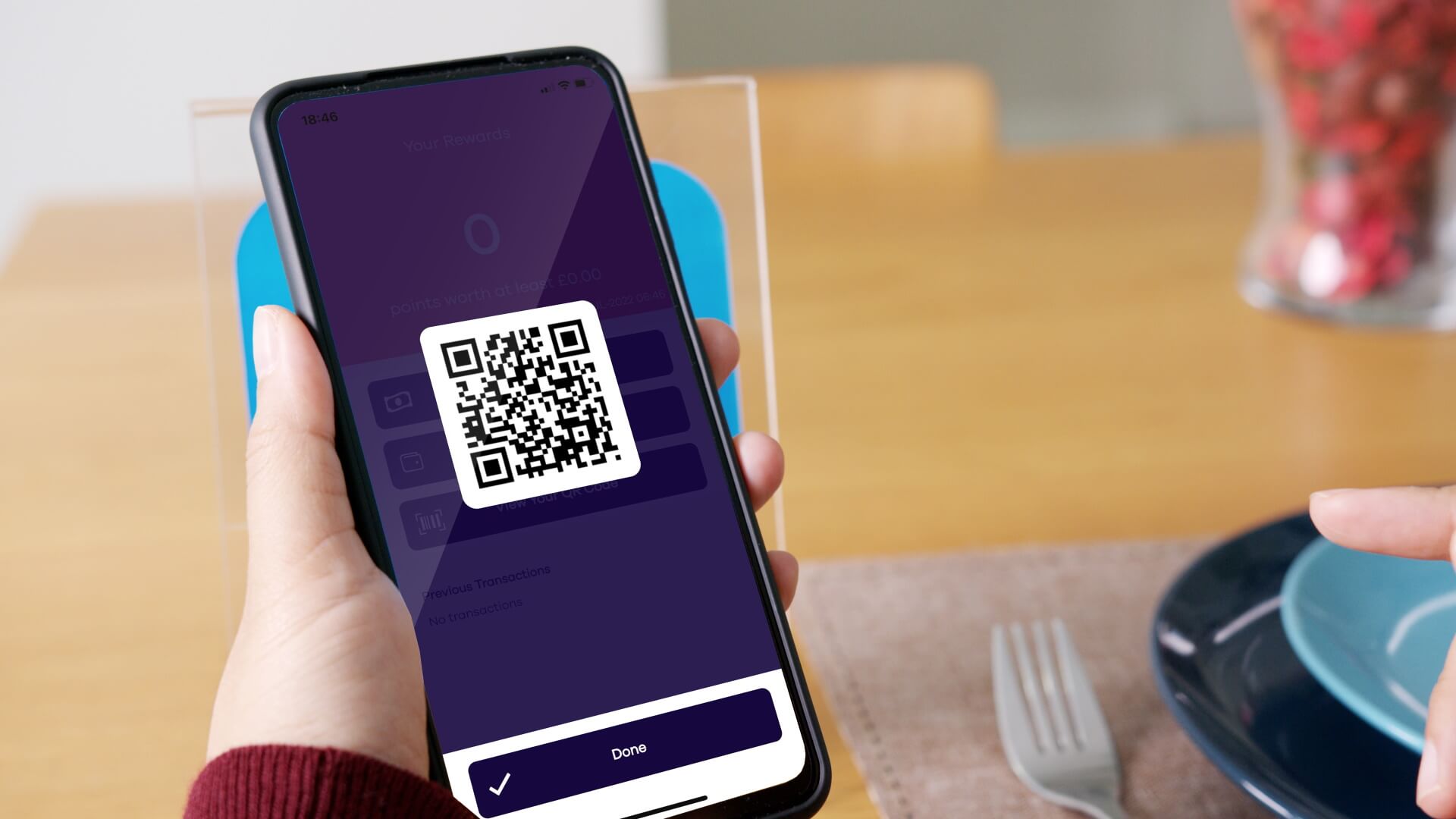
food2go Tiered Loyalty lets a hospitality brand configure its own levels, qualifying-spend thresholds, earning rates and tier rewards. A customer can begin on the entry tier, progress as eligible spend builds and unlock a new benefit each time they move up. Their tier, points balance, available rewards and next target remain visible through the branded customer journey.
The model benefits operators in five practical ways:
- It creates visible momentum. A clear progress path gives customers a reason to choose the brand again rather than treating every order as an isolated transaction.
- It rewards increasing value. Higher tiers can unlock a stronger earning rate or a carefully chosen benefit, concentrating reward cost on customers demonstrating greater frequency or spend.
- It supports targeted automation. Tier achievement, birthdays and defined periods of inactivity can trigger relevant rewards instead of sending every member the same blanket offer.
- It connects every eligible channel. App, web, POS and connected-kiosk activity can contribute to one customer profile, balance and reward history.
- It works across a growing estate. A group can operate one recognisable programme while retaining location-specific menus, pricing and promotions.
food2go’s tier qualification resets on 1 January, returning members to the starting tier for a fresh annual progression cycle. Reward terms and expiry still need to be communicated clearly.
Burger Boi demonstrates the model in practice: one four-tier loyalty journey operates across 20 stores alongside collection, QR table ordering and delivery powered by Uber Direct integration. Loyalty sits within the same platform as ordering, customer profiles, operations and POS integration—not as a disconnected promotion.
3. Trigger rewards around meaningful moments
Not every reward needs to be permanently available. Triggered rewards can make a programme feel more relevant while giving the operator a clear commercial purpose for each offer.
Useful triggers include:
- A welcome reward after registration or a first qualifying order
- A birthday reward with a clear validity period
- A tier-achievement reward
- A reminder after a defined period without an eligible visit
- A reward after a customer reaches a spend or visit milestone
- A targeted incentive for a quieter daypart or selected location
The offer should match the moment. A birthday benefit can be celebratory; a win-back reward should remove a reason not to return; an off-peak offer should encourage a visit at a commercially useful time.
Avoid sending the same incentive to every member. Use order history and permissions responsibly to make communications more relevant, and test whether the reward changes behaviour rather than simply subsidising an order that would have happened anyway.
UK operators must also distinguish the loyalty entitlement from marketing permission. The ICO’s current guidance explains that electronic marketing to individuals generally requires consent unless a relevant exception—such as the customer ‘soft opt-in’—applies, and customers must be given a straightforward way to opt out. Loyalty membership should not be treated as automatic permission for every marketing channel.
4. Let customers earn and redeem across channels
Customers do not organise their relationship with a restaurant around its technology stack. One week they may order through the app, the next through the website, and later visit a restaurant and pay at the counter.
If those interactions create separate balances, or a reward earned online cannot be used in venue, loyalty becomes a source of friction. One recognised customer profile should carry progress and rewards across the eligible channels the brand operates, including app, web, POS and connected kiosks.
Current UK programmes show why channel rules need to be explicit. PizzaExpress describes earning across dine-in, direct delivery, collection and selected retail products. MyMcDonald’s Rewards explains how members identify themselves in the app and at participating counters, drive-throughs and kiosks, while also setting exclusions for third-party ordering. Each programme has different commercial rules, but both tell customers where earning and redemption apply.
For multi-site groups, this also requires operational consistency. Menu differences, local pricing and participating locations should be managed without creating a different loyalty experience at every store.
5. Reward the behaviour you want to grow
The most effective reward is not always a percentage discount. Start with the commercial behaviour the business wants to influence, then choose the benefit.
Examples include:
- Encourage direct ordering with app- or web-only progress
- Shift demand towards collection with a collection-specific reward
- Increase visit frequency with a short, achievable milestone
- Grow average basket value with a qualifying threshold that remains profitable
- Support quieter periods with a time-limited bonus
- Promote a strategic product category with bonus points
- Encourage referrals only when the new customer completes a qualifying transaction
Costa’s reusable-cup Bean is a useful illustration of aligning a reward with a desired behaviour. The incentive is linked to a specific action rather than applied indiscriminately to every purchase.
Build clear terms around minimum spend, eligible items, expiry, participating locations and whether benefits can be combined. A smaller reward with simple rules can create a better experience than a larger one surrounded by exclusions customers only discover at checkout.
Measure behaviour, not membership totals
Registrations and app downloads show reach, but they do not prove that a programme is changing customer behaviour. Track a small set of measures that connect loyalty activity to commercial outcomes:
- Members who complete a first qualifying transaction
- Active members over a defined period
- Time between eligible visits or orders
- Direct-order frequency and average basket value
- Reward issue and redemption rates
- Contribution after reward cost
- Movement between tiers
- Lapsed members who return after a triggered offer
- Customer-service contacts caused by unclear earning or redemption rules
Compare members with their own earlier behaviour where possible, and separate genuine incremental activity from orders that would probably have happened without an incentive. Review performance by site, channel and customer segment rather than relying on one group-wide average.
Build one connected loyalty journey
A restaurant does not need to copy a national chain to build effective loyalty. It needs a proposition customers understand, rewards that fit its economics and technology that recognises the relationship wherever the customer chooses to order.
food2go connects branded web and app ordering, tiered or points-based loyalty, targeted rewards, customer profiles, payments and operations in one hospitality platform. Burger Boi uses one four-tier loyalty journey across 20 stores, while Seavers Fish & Chips connects points-based rewards with direct ordering and its existing POS workflow across five locations.
The result is a loyalty scheme built around the brand—not a separate promotion engine sitting beside it.
One customer profile. One visible rewards journey. Every eligible channel connected.
Want to design a loyalty journey around your locations, customers and commercial goals? Book a tailored food2go demo.